
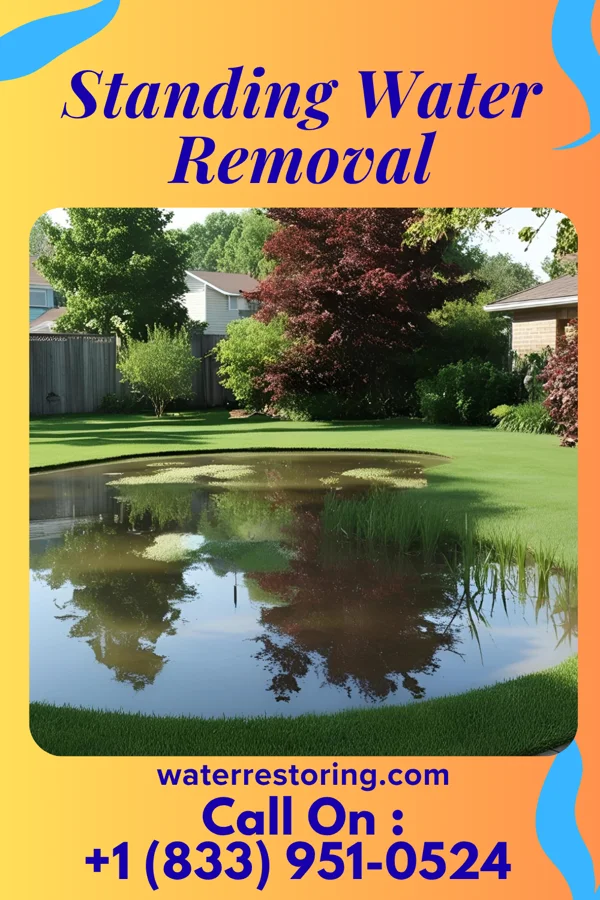
Common Standing Water Causes in West Vero Corridor
Most standing water removal calls in West Vero Corridor come from In the West Vero Corridor, Florida, primary water damage often stems from storm surges and flooding due to the region's proximity to the Indian River Lagoon and the Atlantic Ocean. Heavy rainfall during hurricane season and high tides frequently lead to standing water in residential and commercial properties.. A close second is Secondary causes include plumbing leaks from aging infrastructure, septic system failures, and groundwater seepage through cracked foundations. These issues are common in the rural areas of the corridor due to older building codes and less frequent maintenance.. If you know what is about to happen, the decisions during the first 48 hours get a lot easier.
The humid subtropical climate of the West Vero Corridor means high moisture levels year-round, increasing the risk of water damage. Additionally, the region's vulnerability to tropical storms and hurricanes makes prompt water extraction and drying essential to prevent mold growth.
Most standing water removal calls in West Vero Corridor come from In the West Vero Corridor, Florida, primary water damage often stems from storm surges and flooding due to the region's proximity to the Indian River Lagoon and the Atlantic Ocean. Heavy rainfall during hurricane season and high tides frequently lead to standing water in residential and commercial properties.. Running a close second is Secondary causes include plumbing leaks from aging infrastructure, septic system failures, and groundwater seepage through cracked foundations. These issues are common in the rural areas of the corridor due to older building codes and less frequent maintenance.. Local mold risk: Mold can develop within 24 hours in the high humidity environment of the West Vero Corridor, making rapid response critical to protect both property and health. Mold spores can spread quickly through the coastal air, especially during wet seasons.